
You’re drinking water constantly, wearing SPF religiously, and getting what sleep you can manage in the heat. But the dark circles under your eyes look worse here than they ever did before you moved. And the concealer you used to rely on? It’s sliding off your face by 10 a.m., leaving you looking more exhausted than you feel.
Here’s what’s happening. The environmental factors that define life in extreme heat climates don’t just affect your hair and body skin. They create a perfect storm for periorbital hyperpigmentation, the clinical term for under-eye darkening. Chronic dehydration from constant fluid loss. Sleep changeion from temperature regulation issues. Increased melanin production from year-round UV exposure. Inflammation from environmental stress. Your under-eye area is thinner and more vascular than any other facial skin, which means it shows these impacts first and most visibly.
This article examines what causes dark circles to worsen in hot, dry climates and what dermatological research shows actually works to address them. We’ll cover the three types of dark circles, why heat and dehydration make them worse, which treatments have clinical evidence behind them, and what to skip. If you’ve been told your dark circles are genetic and there’s nothing you can do, that’s only partially true. While some people are predisposed to periorbital hyperpigmentation, environmental management makes a measurable difference.
The Three Types of Dark Circles (And Why It Matters)
Not all dark circles have the same cause, which is why a treatment that works for one person does nothing for another. Dermatologists classify periorbital hyperpigmentation into three categories based on the underlying mechanism: vascular, pigmentary, and structural. Most people have a combination of at least two types, but one is usually dominant.
Vascular dark circles appear blue or purple and are caused by visible blood vessels beneath the thin under-eye skin. When you’re dehydrated, sleep-deprived, or dealing with poor circulation, blood pools in the periorbital vessels and shows through the skin. This type is more common in people with fair or thin skin and worsens with anything that dilates blood vessels, including heat exposure and alcohol consumption.
Pigmentary dark circles appear brown and result from excess melanin production in the under-eye area. This type is more common in people with medium to deep skin tones and is often triggered by chronic inflammation, sun exposure, or hormonal changes. In hot climates, the combination of year-round UV exposure and heat-induced inflammation creates a persistent melanin stimulus.
Structural dark circles appear as shadowing and are caused by volume loss in the under-eye area, creating a hollow or sunken appearance. As we age, we lose fat padding beneath the eyes, and the skin thins further. This creates a shadow effect that looks like darkness but is actually a structural change. Dehydration makes this worse by reducing skin plumpness and deepening the hollow appearance.
Why does this classification matter? Because the treatment that addresses vascular dark circles (like caffeine to constrict blood vessels) won’t do anything for pigmentary dark circles (which need melanin-inhibiting ingredients). And neither will fix structural dark circles (which respond to volume restoration or skin thickening). If you’ve tried multiple eye creams with no results, you were likely treating the wrong type.
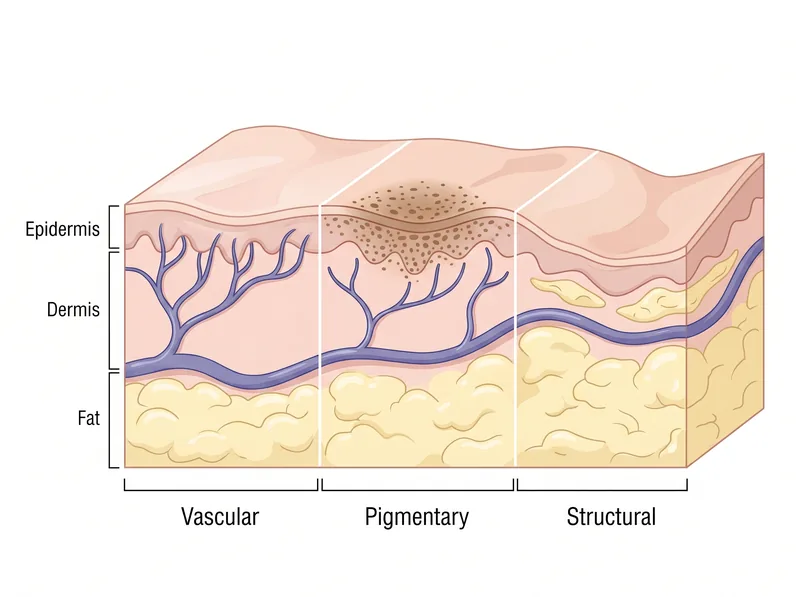 The three primary causes of dark circles: vascular (blood vessel visibility), pigmentary (melanin deposits), and structural (skin thinning and fat loss).
How Heat and Dehydration Worsen Dark Circles
Living in extreme heat creates a constant state of mild dehydration that most people don’t fully recognize. You’re losing fluid through sweat, respiration, and transepidermal water loss at rates that are difficult to match with intake alone. Research on hydration needs in high temperatures shows that fluid requirements can increase by 50-70% compared to temperate climates, and most people consistently fall short.
When your body is dehydrated, it prioritizes vital organs and reduces blood flow to peripheral areas, including facial skin. The under-eye area, which already has minimal fat padding and thin skin, becomes even more translucent when dehydrated. Blood vessels that were barely visible become prominent. The skin loses its natural plumpness, making hollows deeper and shadows darker.
Heat exposure also triggers vasodilation, the widening of blood vessels to help regulate body temperature. This is a normal physiological response, but it makes vascular dark circles more pronounced. If you notice your dark circles look worse after being outside in the heat or after a hot shower, vasodilation is the reason. The combination of dehydration (making skin thinner and more translucent) and vasodilation (making vessels more prominent) creates a compounding effect.
Sleep changeion compounds the problem. Chronic sleep deprivation improves cortisol, which increases inflammation and fluid retention. When you don’t sleep well, fluid accumulates beneath the eyes, stretching the already-thin skin and making underlying blood vessels more visible. In hot climates where temperature regulation at night is challenging, this becomes a chronic issue rather than an occasional problem.
There’s also the melanin response. Year-round sun exposure, even with SPF, creates a persistent low-level stimulus for melanin production. The under-eye area is particularly vulnerable because the skin is thin and people often miss this area when applying sunscreen. Over time, this leads to pigmentary dark circles that worsen gradually and become resistant to topical treatments.
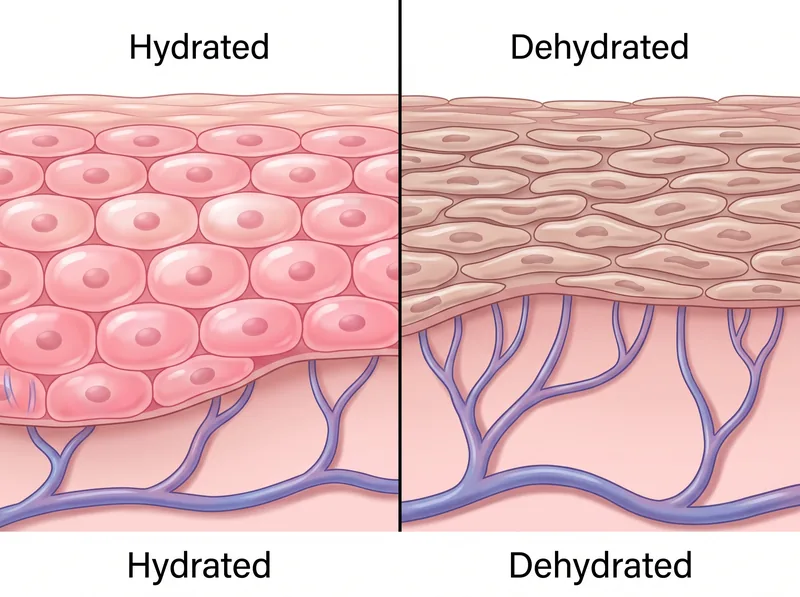 How dehydration affects under-eye appearance: reduced skin plumpness makes blood vessels more visible and deepens the appearance of dark circles.
What the Research Shows Actually Works
The evidence base for treating dark circles is smaller than you’d expect given how common the concern is, but there are treatments with clinical support. The key is matching the treatment to the type of dark circles you have and understanding that environmental management is as important as topical products.
For vascular dark circles, caffeine-based eye treatments have the strongest evidence. A 2015 study published in the Journal of Cosmetic Dermatology found that topical caffeine reduced periorbital puffiness and improved the appearance of dark circles by constricting blood vessels and reducing fluid accumulation. The effect is temporary but measurable. Caffeine works best when applied cold, which adds a vasoconstrictive benefit from temperature.
Vitamin K has mixed evidence for vascular dark circles. Some studies show improvement in bruising and vascular visibility, while others show no significant effect. The theory is that vitamin K supports proper blood clotting and reduces vessel leakage, but the research isn’t consistent enough to make it a first-line recommendation. It won’t hurt, but don’t expect dramatic results.
For pigmentary dark circles, the evidence supports the same melanin-inhibiting ingredients used for hyperpigmentation elsewhere on the face. Vitamin C (particularly L-ascorbic acid at 10-20% concentration) has the most strong clinical support for reducing melanin production and brightening existing pigmentation. Niacinamide at 4-5% concentration also shows consistent results for reducing pigmentary dark circles, with a 2011 study in the British Journal of Dermatology demonstrating significant improvement after 8 weeks of twice-daily application.
Retinoids (retinol and prescription tretinoin) address both pigmentary and structural dark circles by increasing cell turnover and stimulating collagen production. This thickens the under-eye skin over time, making blood vessels less visible and reducing the appearance of hollowing. The evidence is strong, but retinoids in the under-eye area require careful introduction to avoid irritation. In hot climates where skin barrier function is already compromised, this means starting with a low concentration and using it only 2-3 times per week initially.
For structural dark circles, topical treatments have limited effectiveness because you can’t rebuild lost fat padding with a cream. The most evidence-supported approach is hyaluronic acid fillers administered by a qualified dermatologist or plastic surgeon. These restore volume to the tear trough area and can dramatically reduce the shadowing effect. The results last 9-18 months depending on the product used and individual metabolism.
What doesn’t work despite marketing claims: arnica, peptides (insufficient evidence for dark circles specifically), and most ‘brightening’ eye creams that don’t contain proven melanin inhibitors. If the ingredient list doesn’t include vitamin C, niacinamide, or retinol, you’re paying for packaging and hope.
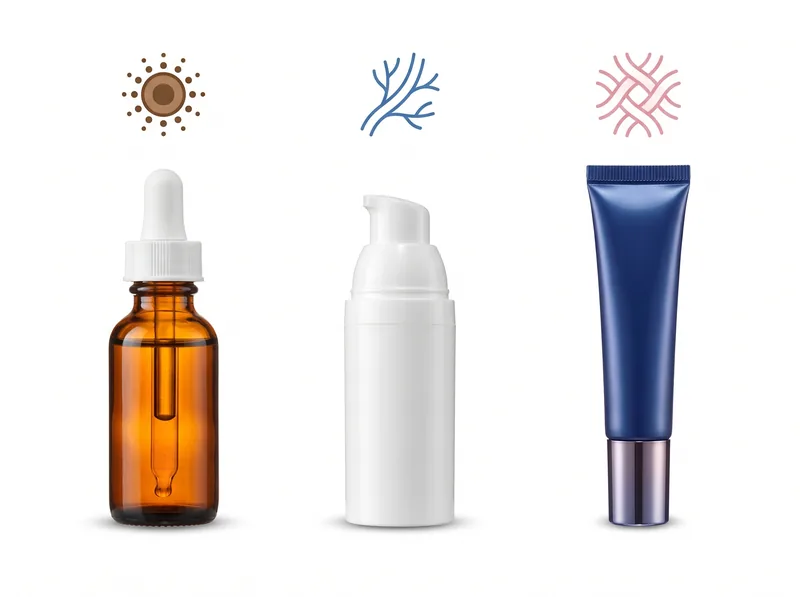 Evidence-based treatments for dark circles ranked by mechanism of action and clinical support in dermatological research.
The Environmental Management Protocol
Topical treatments only work if you address the environmental factors making your dark circles worse. This isn’t about adding another product to your routine. It’s about changing the conditions that are creating the problem in the first place.
First: actual hydration, not just drinking more water. In extreme heat, you need electrolyte replacement to retain the fluid you’re consuming. Plain water without adequate sodium and potassium gets excreted quickly without hydrating tissues. Add a quarter teaspoon of salt to your water bottle or use an electrolyte supplement without added sugar. The goal is pale yellow urine throughout the day, not just after you’ve chugged a liter of water.
Second: sleep environment improvation. If you’re waking up multiple times per night because of temperature, your body isn’t completing proper sleep cycles and cortisol stays improved. This means chronic inflammation and fluid retention around the eyes. A properly cooled bedroom (21-22°C is ideal) makes a measurable difference in sleep quality and morning under-eye appearance. If cooling costs are prohibitive, focus on the 2-3 hours before you naturally wake up, which is when the deepest restorative sleep occurs.
Third: consistent SPF application to the under-eye area. Most people apply sunscreen to their face but stop at the orbital bone, leaving the under-eye skin exposed. This area needs daily SPF 30+ coverage, reapplied if you’re sweating or outdoors for extended periods. Use a mineral sunscreen (zinc oxide or titanium dioxide) rather than chemical filters, which can irritate the thin under-eye skin. The slight white cast from mineral sunscreen is preferable to the hyperpigmentation from chronic UV exposure.
Fourth: address chronic inflammation through diet and stress management. Improved cortisol from chronic stress increases inflammation throughout the body, including the delicate under-eye area. This worsens both vascular and pigmentary dark circles. Anti-inflammatory foods (omega-3 fatty acids, antioxidant-rich vegetables, adequate protein) support skin barrier function and reduce the inflammatory response to environmental stress.
Fifth: water quality for facial cleansing. Hard water and desalinated water both compromise skin barrier function, and the under-eye area is the most vulnerable. If you’re cleansing your face with harsh water, you’re stripping the already-minimal lipid barrier and making dehydration worse. Use a gentle micellar water for makeup removal rather than tap water, or install a shower filter that addresses mineral content.
Building an Evidence-Based Eye Care Routine
An effective routine for dark circles in hot climates has four components: barrier protection, active treatment, hydration support, and environmental defense. This isn’t about layering six products. It’s about choosing the right products for your specific type of dark circles and using them consistently.
Morning routine: Start with a gentle cleanse using micellar water or a low-pH cleanser that won’t strip your skin barrier. Apply a vitamin C serum to the under-eye area while skin is still damp (this improves absorption). Wait 60 seconds for it to absorb, then apply a lightweight eye cream containing caffeine or niacinamide depending on whether your dark circles are primarily vascular or pigmentary. Finish with a mineral SPF that covers the entire under-eye area. This sequence takes three minutes.
Evening routine: Remove makeup and sunscreen with micellar water or an oil-based cleanser. Apply your retinol or retinoid product to the under-eye area (if you’re using one, start 2-3 times per week and work up to nightly as tolerance builds). Wait 20 minutes, then apply a richer eye cream containing hyaluronic acid or ceramides to support overnight barrier repair. If your skin is particularly dry, add a thin layer of facial oil over the eye cream to seal in hydration.
Product selection criteria: For vitamin C, look for L-ascorbic acid at 10-20% concentration in an anhydrous (oil-based) formula or a stabilized powder format. Water-based vitamin C serums oxidize quickly in hot climates and lose effectiveness. For caffeine, a 2-5% concentration is sufficient and should be in a lightweight gel or serum base. For retinol, start with 0.25% concentration and only increase if you experience no irritation after 8 weeks of consistent use.
What to avoid: fragranced eye products (fragrance increases photosensitivity and irritation risk), alcohol-based formulas (too drying for the under-eye area), and products with long ingredient lists full of plant extracts (more ingredients means more potential irritants). The under-eye area doesn’t need 30 ingredients. It needs 3-5 proven actives in a gentle base.
Temperature storage matters in hot climates. Vitamin C and retinol degrade faster in heat. Store these products in a cool, dark place or even in the refrigerator. The cool temperature also adds a vasoconstrictive benefit when you apply them to the under-eye area. If a product has changed color or smell, it’s oxidized and no longer effective.
When to See a Dermatologist
Some dark circles require professional intervention rather than over-the-counter products. If you’ve addressed environmental factors and used appropriate topical treatments for 12 weeks with no improvement, it’s time to consult a dermatologist who specializes in cosmetic dermatology.
Sudden onset of dark circles, particularly if accompanied by puffiness, can indicate an underlying health issue including thyroid dysfunction, anemia, or allergies. If your dark circles appeared rapidly rather than gradually worsening over time, get evaluated. The same applies if you have dark circles on one side only, which can indicate a circulation issue or sinus problem.
Structural dark circles with significant hollowing often need volume restoration through hyaluronic acid fillers. This is a medical procedure that should only be performed by a board-certified dermatologist or plastic surgeon with specific experience in periorbital injections. The under-eye area is high-risk for complications including vascular occlusion, so provider selection matters more than cost. Ask to see before-and-after photos of previous patients with similar skin tones and bone structure to yours.
Severe pigmentary dark circles that don’t respond to topical treatments may benefit from laser therapy or chemical peels specifically formulated for the under-eye area. These treatments work by removing the pigmented skin layers and stimulating new collagen production. They require significant downtime and carry risks including hyperpigmentation if not performed correctly, particularly in people with medium to deep skin tones. This isn’t a casual treatment decision.
If you’re experiencing other symptoms alongside dark circles, including chronic fatigue, hair loss, or skin changes elsewhere on your body, the dark circles may be a symptom of a systemic issue rather than a cosmetic concern. Iron deficiency, thyroid disorders, and vitamin deficiencies all manifest in the under-eye area before they’re severe enough to cause other obvious symptoms. A complete blood panel can identify these issues early.
What Doesn’t Work (And Why It’s Still Being Sold)
The eye cream market is worth billions, which means there’s strong financial incentive to sell products that make claims not supported by evidence. Here’s what you can skip and why the marketing exists despite the lack of clinical support.
Cucumber slices and tea bags: The temporary reduction in puffiness comes from the cold temperature and pressure, not from any magical property of cucumbers or tea. You’d get the same benefit from a cold spoon. These remedies persist because they’re photogenic, free, and feel like self-care, but they don’t address the underlying causes of dark circles.
Most peptide eye creams: Peptides are large molecules that have difficulty penetrating the skin barrier, and the research on their effectiveness for dark circles specifically is limited. Some peptides show promise for wrinkle reduction through collagen stimulation, but that’s different from reducing pigmentation or vascular visibility. If a product lists peptides as the primary active ingredient without vitamin C, niacinamide, or retinol, you’re paying for unproven technology.
Jade rollers and facial massage tools: These feel good and may temporarily reduce puffiness through lymphatic drainage, but they don’t change melanin production, blood vessel visibility, or structural volume loss. The benefit is short-lived (usually less than an hour) and comes from the massage action and cold temperature, not from the jade or rose quartz material. If you enjoy the ritual, continue, but don’t expect it to replace evidence-based treatments.
Expensive eye creams with proprietary complexes: When a brand won’t disclose the specific active ingredients and concentrations, relying instead on trademarked complex names, it’s a red flag. Effective ingredients are well-studied and don’t need to be hidden behind proprietary names. You’re paying for marketing and packaging, not superior formulation. A well-formulated vitamin C serum from a pharmacy brand will outperform a $200 eye cream with an undisclosed ‘brightening complex.’
Products claiming to ‘detox’ or ‘drain’ the under-eye area: Your lymphatic system doesn’t need help from a cream. If you have fluid retention causing puffiness, it’s a symptom of sleep deprivation, high sodium intake, hormonal changes, or an underlying health issue. A topical product can’t ‘detox’ anything. This is marketing language designed to make you feel like you’re doing something active and scientific when you’re actually just moisturizing.
References
- Topical caffeine for the treatment of periorbital dark circles and puffiness - Journal of Cosmetic Dermatology
- The effect of niacinamide on reducing cutaneous pigmentation and suppression of melanosome transfer - British Journal of Dermatology
- Periorbital Hyperpigmentation: A Complete Review - Journal of Clinical and Aesthetic Dermatology
- Melasma: An Up-to-Date Complete Review - American Academy of Dermatology
- Retinoids in the treatment of skin aging: an overview of clinical efficacy and safety - Clinical Interventions in Aging