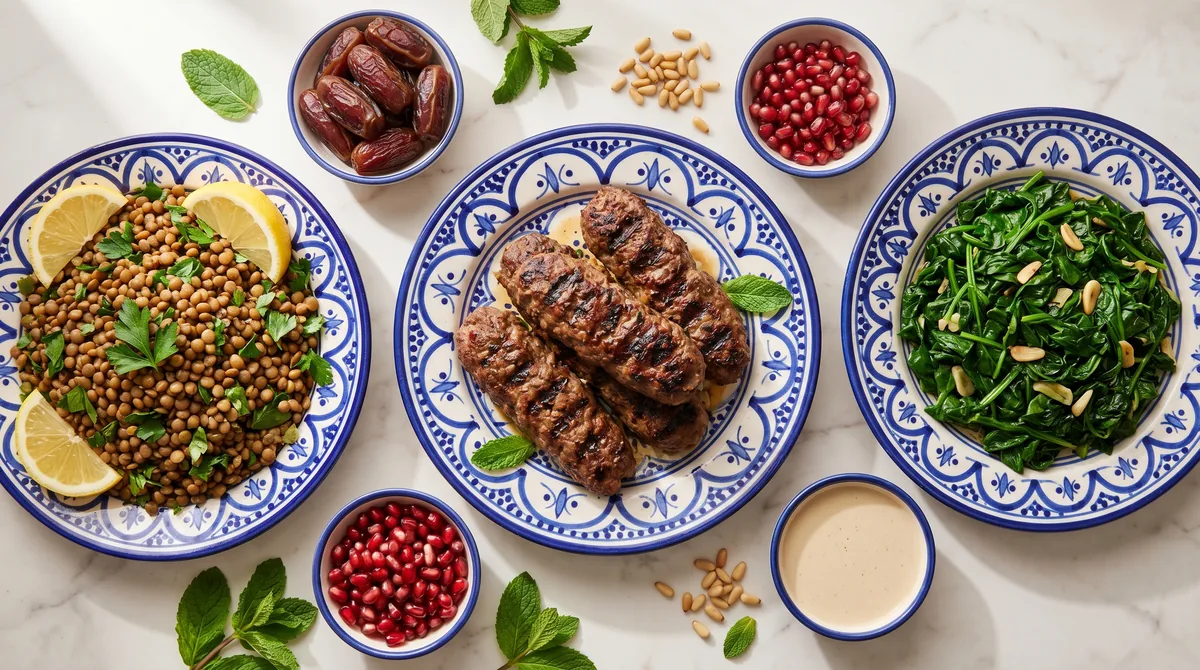
If you’ve been told your ferritin is low, you’ve probably already Googled ‘iron-rich foods’ and found the same generic list: spinach, red meat, beans. But here’s what those lists don’t tell you. The iron in spinach is poorly absorbed. The red meat available in Gulf supermarkets isn’t always the cut you need. And beans require preparation methods most Western expats don’t know about.
Low ferritin is one of the most common nutritional deficiencies in women living in the Gulf, and it’s directly connected to the hair loss, fatigue, and brain fog so many expats experience in their first two years here. Research shows that even without clinical anaemia, low ferritin levels (below 40 ng/mL) can trigger diffuse hair shedding and impair hair regrowth cycles. But rebuilding iron stores isn’t just about eating more iron. It’s about absorption, timing, and working with the ingredients you can actually find here.
This article is medically reviewed by Dr. Layla Hassan, Trichologist. It’s written for women who’ve had their ferritin tested, know it’s low, and need practical meal strategies that work with Gulf ingredients, cooking methods, and daily routines. We’ll cover heme vs non-heme iron, absorption enhancers and blockers, and how to build meals that actually raise your levels. This article contains affiliate links. See our affiliate disclosure for details.
Here’s what works when you’re rebuilding ferritin in a climate that depletes it faster than your body can replace it.
Key Takeaways
• Heme iron from meat, poultry, and seafood is absorbed 2-3 times more efficiently than plant-based non-heme iron, making it essential for women with low ferritin.
• Pair non-heme iron sources (lentils, chickpeas, spinach) with vitamin C-rich foods like lemon, tomato, or bell peppers to significantly increase absorption.
• Avoid drinking tea or coffee within 2 hours of iron-rich meals, as tannins can block up to 60% of iron absorption.
• Ferritin depletion in Gulf climates is accelerated by chronic low-grade inflammation, heavy menstrual periods, and inadequate dietary intake combined with high sweat losses.
• Consistent daily intake of 18-25mg of dietary iron is more effective for rebuilding stores than sporadic high-dose days, and it takes 3-6 months of sustained intake to see ferritin levels rise significantly.
Why Ferritin Drops Faster in Gulf Climates
Ferritin is your body’s iron storage protein. When it drops below 40 ng/mL, your hair follicles don’t get the iron they need to produce new hair. That’s when shedding increases and regrowth slows. But why does ferritin drop so quickly in women living in the Gulf?
The research points to three compounding factors. First, chronic low-grade inflammation from heat stress, poor sleep, and environmental stressors increases hepcidin, a hormone that blocks iron absorption in the gut. Second, heavy menstrual bleeding (which affects up to 30% of women in their 30s and 40s) depletes iron stores faster than diet can replace them. Third, many expat women eat less red meat than they did in their home countries, either because of cost, availability, or dietary preferences that shift after moving.
A 2019 study in the Journal of Nutrition found that women living in hot climates lose more iron through sweat than previously understood, particularly during outdoor exercise. When you combine that with inadequate dietary intake and inflammation, ferritin levels can drop from 70 ng/mL to 15 ng/mL in under 18 months. That’s the timeline many expats describe when they finally get tested after noticing unexplained hair loss.
Bottom line? If you’re living here, you need more iron than the standard dietary recommendations suggest. And you need it from sources your body can actually absorb.
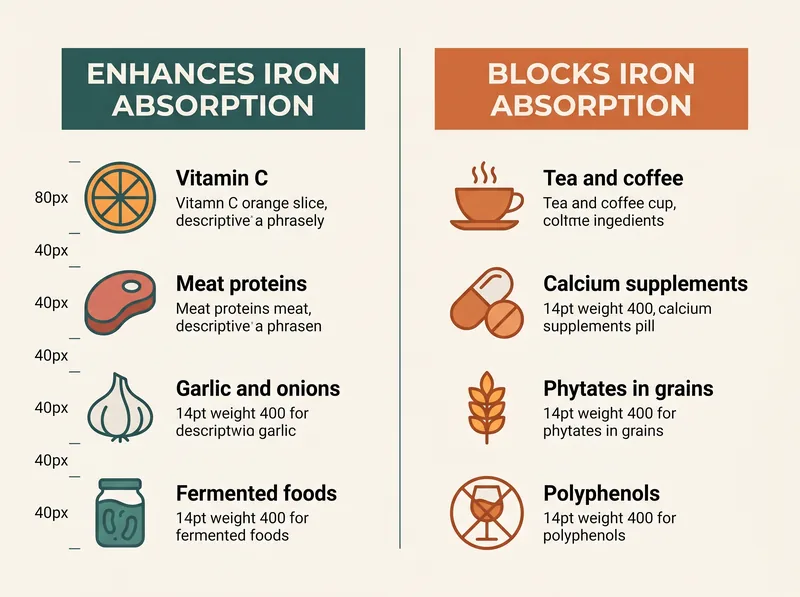 Understanding what helps and hinders iron absorption is critical when you’re rebuilding ferritin stores.
Heme Iron vs Non-Heme Iron: What You Need to Know
Not all iron is absorbed equally. There are two types: heme iron (from animal sources) and non-heme iron (from plants). Heme iron is absorbed at a rate of 15-35%, while non-heme iron is absorbed at just 2-20%. That difference matters when you’re trying to rebuild depleted stores.
Heme iron comes from haemoglobin and myoglobin in animal tissue. It’s found in red meat, poultry, and seafood. Your body absorbs it efficiently without needing additional help. Non-heme iron comes from plants, fortified grains, and supplements. It’s more chemically reactive, which means it’s easily blocked by compounds in tea, coffee, dairy, and whole grains.
Here’s the practical takeaway. If your ferritin is below 30 ng/mL, you need heme iron. A study published in the American Journal of Clinical Nutrition found that women with depleted iron stores who consumed heme iron daily raised their ferritin levels 40% faster than those who relied solely on plant-based sources. That doesn’t mean you can’t be vegetarian or prefer plant-based meals. It means you need to be much more strategic about absorption enhancers and blockers.
In Gulf cuisine, heme iron sources include lamb, beef, chicken liver, sardines, and prawns. All are widely available. Non-heme sources include lentils, chickpeas, spinach, and fortified Arabic bread. The key is knowing how to combine them.
Iron-Rich Gulf Ingredients and How to Use Them
Let’s talk about what’s actually available in Gulf supermarkets and how to use it. Forget the kale and grass-fed beef you can’t find here. These are the ingredients that work.
Lamb is the most iron-dense red meat available locally, providing 2.5mg of heme iron per 100g. It’s also rich in zinc and B vitamins, which support hair growth. Grilled lamb kofta, slow-cooked lamb shoulder, or lamb liver (if you can tolerate it) are all excellent options. Chicken liver provides 11mg of iron per 100g, making it one of the most concentrated sources available. It’s inexpensive, widely sold, and can be prepared with garlic, lemon, and sumac to make it palatable.
Lentils (brown, red, or green) provide 3.3mg of non-heme iron per cooked cup. They’re a staple in Gulf cuisine and absorb flavours well. Pair them with tomatoes, lemon juice, or bell peppers to increase absorption. Chickpeas provide 2.4mg per cooked cup and work in everything from hummus to stews. Spinach provides 2.7mg per cooked cup, but only when paired with vitamin C. Raw spinach is less useful because the oxalates block absorption.
Sardines (canned in olive oil) provide 2.9mg of heme iron per 100g, plus omega-3s and calcium. They’re shelf-stable, inexpensive, and can be mashed into a spread with lemon and parsley. Prawns provide 1.8mg per 100g and are widely available frozen. Dates provide 1mg of non-heme iron per 100g and are a natural pairing with nuts for a quick snack.
The key is rotating these ingredients across meals rather than relying on one or two. Variety prevents flavour fatigue and ensures you’re getting a range of co-factors (zinc, B12, folate) that support iron absorption and utilisation.
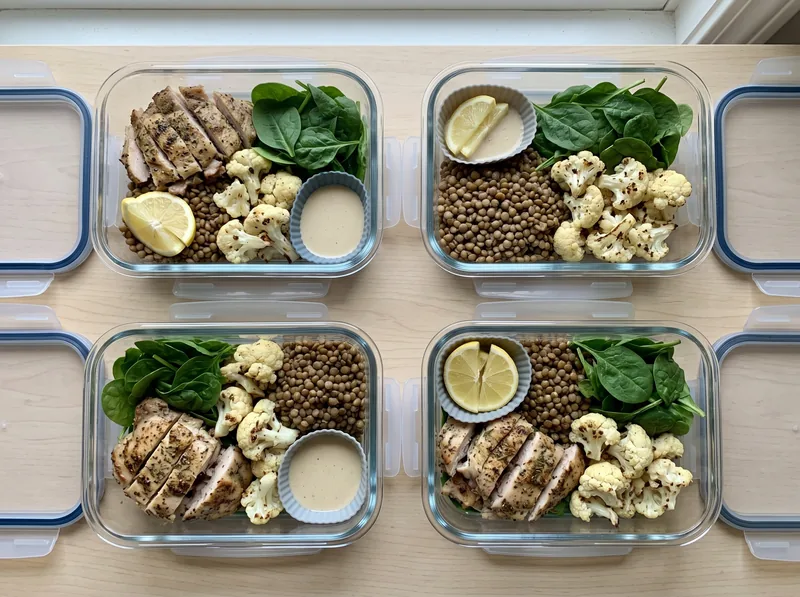 Batch cooking iron-rich meals makes it easier to maintain consistent intake when ferritin is low.
Building Iron-Rich Meals That Actually Work
Here’s how to structure meals when you’re rebuilding ferritin. Each meal should contain a heme iron source (if you eat animal products), a non-heme iron source, a vitamin C booster, and minimal absorption blockers. That’s the formula.
Breakfast: Scrambled eggs with sautéed spinach, cherry tomatoes, and a side of sourdough bread. The eggs provide heme iron (1.2mg per two eggs), the spinach provides non-heme iron, and the tomatoes provide vitamin C. If you drink coffee, wait at least one hour after eating. Or try a smoothie with frozen berries, ground flaxseed, and a handful of baby spinach blended with orange juice. The vitamin C in the juice increases the absorption of the iron in the greens.
Lunch: Grilled chicken thighs over brown lentils with roasted red peppers, fresh parsley, and a lemon-tahini dressing. The chicken provides heme iron (1.5mg per 100g of dark meat), the lentils provide non-heme iron, and the lemon and peppers provide vitamin C. This is a meal you can batch-cook on weekends and portion into containers for the week.
Dinner: Pan-seared lamb kofta with a side of sautéed spinach, roasted cauliflower, and a small salad dressed with pomegranate molasses and olive oil. The lamb provides heme iron (2.5mg per 100g), the spinach provides non-heme iron, and the pomegranate provides vitamin C and antioxidants. Serve with a small portion of Arabic rice if you want a starch, but keep it minimal to avoid phytate interference.
Snacks: A handful of dates with raw almonds. Or sardines mashed with lemon, parsley, and olive oil spread on whole-grain crackers. Or carrot sticks with hummus and a squeeze of lemon. These are practical, portable, and iron-dense.
Absorption Enhancers and Blockers: Timing Matters
Even if you’re eating iron-rich foods, poor absorption can sabotage your efforts. Here’s what helps and what hinders, based on clinical evidence from iron metabolism research.
Vitamin C is the most powerful absorption enhancer. A study in the American Journal of Clinical Nutrition found that adding 100mg of vitamin C to a meal increased non-heme iron absorption by up to 400%. That’s the equivalent of one medium orange, half a red bell pepper, or two tablespoons of lemon juice. Always pair plant-based iron with a vitamin C source.
Meat, poultry, and fish contain a compound called MFP factor (meat, fish, poultry factor) that enhances the absorption of non-heme iron from other foods in the same meal. This is why a lentil stew with lamb absorbs better than lentils alone. Garlic and onions contain sulfur compounds that also improve absorption, which is why they’re used so heavily in Middle Eastern cooking.
Now the blockers. Tannins in tea and coffee can reduce iron absorption by up to 60% when consumed with meals. If you’re a tea drinker, wait at least two hours after eating before having your cup. Calcium (from dairy or supplements) competes with iron for absorption. Don’t take a calcium supplement with your iron-rich meal. Phytates in whole grains, nuts, and legumes bind to iron and reduce absorption. Soaking, sprouting, or fermenting these foods reduces phytate content, which is why sourdough bread is better than standard whole wheat.
Polyphenols in red wine, dark chocolate, and some herbal teas also block absorption. If your ferritin is critically low (below 20 ng/mL), avoid these within two hours of meals. Once your levels stabilise above 50 ng/mL, occasional consumption is fine.
Supplementation: When Food Isn’t Enough
Sometimes diet alone isn’t sufficient, especially if your ferritin is below 15 ng/mL or you have heavy menstrual bleeding. In those cases, supplementation is necessary. But here’s what most doctors don’t tell you: the type of iron supplement matters, and timing matters even more.
Ferrous sulfate is the most commonly prescribed form, but it causes significant gastrointestinal side effects (nausea, constipation, cramping) in up to 40% of women. Ferrous bisglycinate is a chelated form that’s gentler on the stomach and absorbed more efficiently. A 2014 study in the Journal of International Medical Research found that women taking ferrous bisglycinate had fewer side effects and achieved higher ferritin levels than those taking ferrous sulfate at the same dose.
Take iron supplements on an empty stomach (one hour before or two hours after meals) with vitamin C for maximum absorption. If that causes nausea, take it with a small amount of food, but avoid dairy, tea, or coffee. Never take iron with calcium, magnesium, or zinc supplements, as they compete for absorption. Space them at least four hours apart.
It takes 3-6 months of consistent supplementation to rebuild ferritin stores from critically low levels (below 15 ng/mL) to optimal levels (above 70 ng/mL). Retest your levels every 8-12 weeks to monitor progress. Once your ferritin is above 50 ng/mL, you may be able to maintain it with diet alone, especially if you’ve addressed the underlying causes (heavy periods, inflammation, inadequate intake).
One more thing. If you’re addressing low ferritin because of hair loss, you also need to address the external factors damaging your hair. That’s where a chelating shampoo like Regrowth+ comes in. It removes the mineral buildup from hard water that coats the hair shaft and prevents moisture and nutrients from penetrating. Internal nutrition and external care work together. You need both.
Sample Weekly Meal Plan for Low Ferritin
Here’s a practical seven-day rotation using Gulf ingredients. Each day provides 18-25mg of dietary iron, split between heme and non-heme sources, with vitamin C at every meal.
Monday: Breakfast - scrambled eggs with spinach and tomatoes. Lunch - grilled chicken over lentils with roasted red peppers. Dinner - lamb kofta with sautéed greens and cauliflower. Snack - dates and almonds.
Tuesday: Breakfast - smoothie with berries, spinach, and orange juice. Lunch - sardine salad with lemon, parsley, and chickpeas. Dinner - beef stir-fry with broccoli and bell peppers over rice. Snack - carrot sticks with hummus.
Wednesday: Breakfast - sourdough toast with avocado, poached eggs, and cherry tomatoes. Lunch - lentil soup with lamb, garlic, and lemon. Dinner - grilled prawns with quinoa and roasted vegetables. Snack - orange slices with raw walnuts.
Thursday: Breakfast - Greek yogurt with ground flaxseed, pomegranate seeds, and honey. Lunch - chicken liver sautéed with onions and sumac, served with Arabic salad. Dinner - baked salmon with spinach and sweet potato. Snack - dates stuffed with almond butter.
Friday: Breakfast - omelette with mushrooms, spinach, and bell peppers. Lunch - chickpea and vegetable stew with lamb, tomatoes, and cumin. Dinner - grilled lamb chops with roasted cauliflower and tahini sauce. Snack - apple slices with tahini.
Saturday: Breakfast - smoothie bowl with frozen berries, spinach, chia seeds, and orange juice. Lunch - tuna salad with white beans, tomatoes, and lemon dressing. Dinner - beef and lentil meatballs with marinara sauce and zucchini noodles. Snack - dried apricots and cashews.
Sunday: Breakfast - scrambled eggs with sautéed kale and sun-dried tomatoes. Lunch - grilled chicken thighs with brown rice, roasted peppers, and parsley. Dinner - slow-cooked lamb shoulder with chickpeas, tomatoes, and spices. Snack - pomegranate seeds with pistachios.
References
- Iron absorption from the whole diet: comparison of the effect of two different distributions of daily calcium intake - American Journal of Clinical Nutrition
- Ascorbic acid and ferrous iron absorption in humans - American Journal of Clinical Nutrition
- A comparative study of efficacy, tolerability, and cost of iron polymaltose complex with ferrous sulphate in the treatment of iron deficiency anemia in pregnant women - Journal of International Medical Research
- Serum ferritin and diffuse hair loss in women - Journal of the American Academy of Dermatology
- Iron status in women with diffuse hair loss - British Journal of Dermatology